Sunday, October 8, 2017

Week 3- Kristina Ou

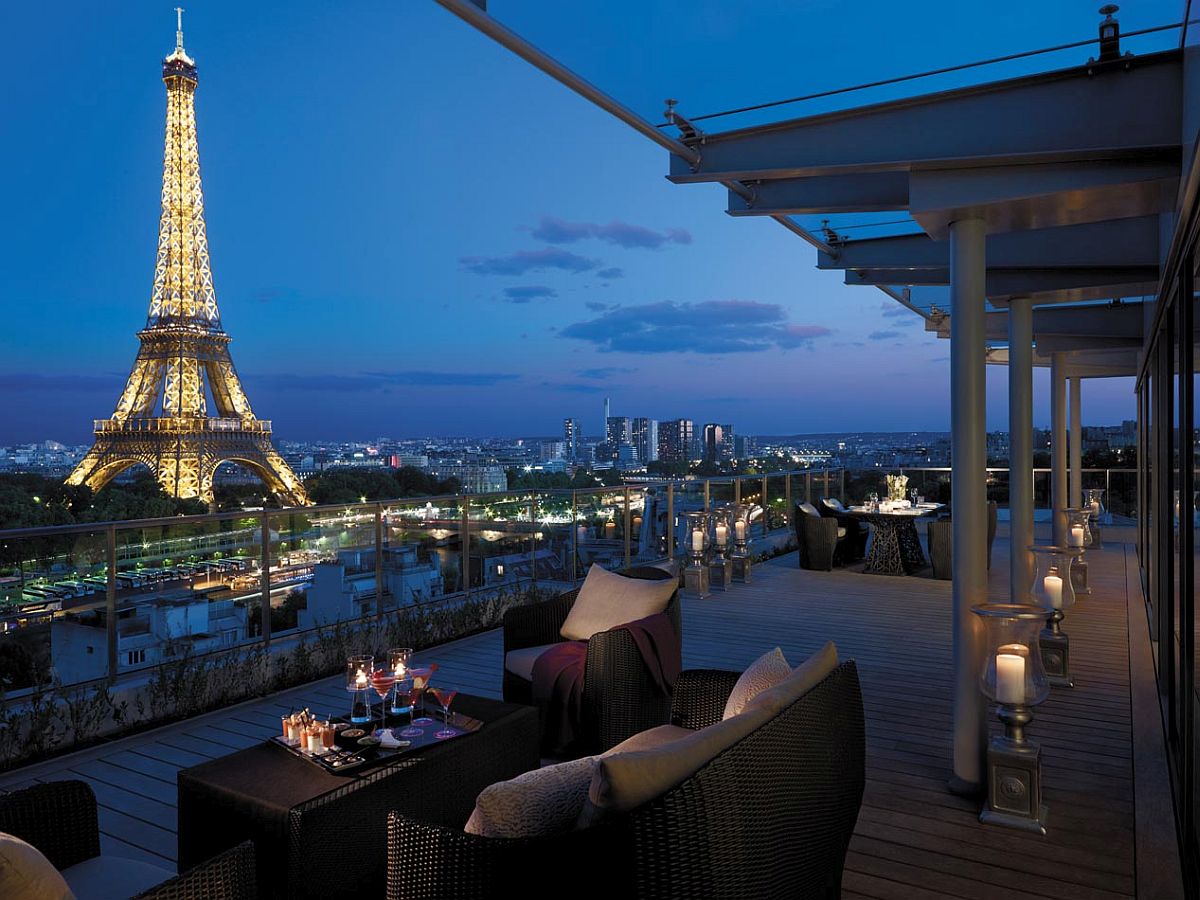
In present day time, France is seen as a luxurious country that is abundant in food, people, and architecture. It is after years of developing and rebranding that this country has been able to portray this image for itself. During the seventeenth century, France was able to rebrand itself through numerous changes. The emphasis on luxe and affluence began during the era of XIV who wanted to change how the way France was perceived. He focused on fashion and the importing fancy products such as jewelry and food. With the help of Colbert, he was able to make his vision become a reality that swept over the country. During that time, there was a large increase of shops beginning to develop where high fashion, fine art, and goods were regularly being sold. It is even said that it was during this time that tourism was born and it was through this rebranding that attracted people. This rebranding has completely changed France as an advancing society seen all over the world as an extravagant country. Many people will fly to France to buy these goods or spend a lot of money to have it imported to their country. It is said that whenever we desire luxurious goods, brands or foods, we owe it to this reformation for developing this mindset.

This may work with the nation of my interest because it can positively rebrand the nation into a successful and affluent country. It also may not work because it takes a large influence that many people will listen to. During the seventeenth century, Louis XIV was king and had the authority to bring in luxurious goods as he wills it. During the current century, it’s harder to completely change a country without opposing opinions.


Question: Why is it easier for some countries to rebrand than others?


Source:

DeJean, Joan. 2005. The Essence of Style: How the French Invented High Fashion, Fine Food, Chi Cafes, Style, Sophistication, and Glamour. Free Press: New York.

https://cdn.decoist.com/wp-content/uploads/2016/12/Lavish-suite-with-a-view-of-the-Eiffel-at-Shangri-La-Hotel-Paris.jpg

Week 3- Nina Huang

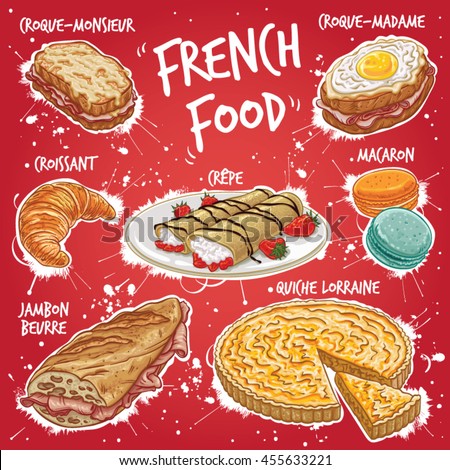
In France, the government, industry, and the people have helped the country make itself to what it is known to other countries today. They “acquired a sort of monopoly on culture, style, and luxury living” (DeJean, 3). However, other factors, such as extravagant food, high fashion, and luxury items, are things that that allowed the country to remake itself. This lead to tourism for people who want to experience the high life in society and the recognition of elegance, glamour, and romance. These specific factors have made France achieve “national aesthetics” status since the time of Colbert and King Louis XIV. During the seventeenth century, France was competing against England and Holland and was feeling the stress of not doing as well as these two countries (Usher, 237). This lead to the general industrial program where new industries were formed and the existing ones continue to produce their products. Also, Colbert’s ministry codes were put on a small number of basic industries (Usher, 239). Along with this, France exported than imported more goods to help the country grow and become what it is today. For my nation/state/area of my interest, I have not decided on a country yet, but I think food and fashion can work with any nation. The reason is that many countries have food as their national aesthetics, and many people like trying new types of food in other countries. On the other hand, fashion is different in many countries, and it help defines their culture. Therefore, it can help a nation remake itself and grow.


Question: Why is food one of the common national aesthetics around the world?

Works Cited

DeJean, Joan. 2005. The Essence of Style: How the French Invented High Fashion, Fine Food, Chi Cafes, Style, Sophistication, and Glamour. Free Press: New York.

https://thumb7.shutterstock.com/display_pic_with_logo/2548939/455633221/stock-vector-hand-drawn-vector-illustration-of-popular-french-food-varieties-croque-monsieur-croque-madame-455633221.jpg

Usher, Abbott Payson. “Colbert and Governmental Control of Industry in Seventeenth Century France.” The Review of Economics and Statistics, vol. 16, no. 11, 1934, pp. 237–240. JSTOR, JSTOR, www.jstor.org/stable/1927041.

Week 3 Kenrick Chiang

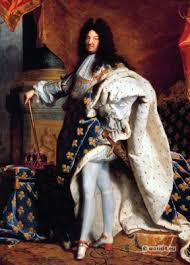
After upon reading the articles, both articles claim France to be of high luxury. In the 1600s it was described by Colbert that French art and luxury was expected to surpass Italian art, therefore every piece of art was given to the King in order to show off power and wealth. Because of the King’s desires for a luxurious life and determination to be different from the European nations, Colbert goes onto saying how France did not really have an imported goods. This can heavily impact their economy because there would be little to no trade. However, the factors of art and power are what helped shape France to what it is today. When we think of France today, we think of all of the culture that is involved with it such as art, food, and lifestyle. Because of the heavy influence of culture and way of life during the seventeenth century, it was easily carried over to present day France even after being remade. This could work with my country of interest because my country of interest is Taiwan due to my family originating from there. This idea of remodeling through traditions and values connects how Taiwan was built as a nation from the ground up. I want to see how different societies impacted the shaping of Taiwan similar to how France was able to give itself an image. In DeJean’s article, they claim that France was able to give something to the world besides fine dining and luxury, and that is a new way of life in daily activities. By choosing Taiwan, I want to see how they have influence our world today and explore how they were able to build themselves as a nation.
Question: Is nation branding only associated with how others see a nation? Is it just more than putting yourself on the map?
Source: https://upload.wikimedia.org/wikipedia/commons/thumb/5/5f/Louis_XIV_of_France.jpg/180px-Louis_XIV_of_France.jpg

Week 3 - Ushrayinee Sarker

When one thinks of France, one immediately aligns it with their views of refinement and high society. Cuisine, tourism, and fashion are all what seem like natural byproducts of the nation, but in actuality, the current state of government and nation branding is all due to carefully crafted planning.

King Louis the XIV as well as his minister Colbert, worked hard to make their vision of France be known to countries across the world. They focused on more liberal tactics, as well as working to make France more knowledgeable business-wise. Concentrating on a more self-sufficient country, France tried to depend less on imports from other countries and become known for their exports.

Another large factor to a lot of countries succeeding is how soon they allowed women their rights. Of course it’s a large factor in branding a nation; it also shows how liberal and progressive they are. While suffrage may have been looked down upon at the time, in hindsight it’s a good marker of the country’s views. France had allowed woman’s suffrage only 15 years after the US, in 1945. This may have been a marked point in the tourism and general view of the country.

To achieve maximum ‘national aesthetics’ status France could try to stay current and with the times, with both with their fashion and arts as well as their politics. France, while in history, known for science has been lacking in it recently. While they are one of the forefronts of the limited scientific industry, they could play up their role in the industry to gain a more positive aesthetic overall.

This method of rebranding could work with the nation of my choice as an increase of national aesthetics such as the arts would bring about tourism and a general liking for the country.


Question: Is a business oriented view the only way to rebrand a nation?

Image result for french conservatism graph
http://adrianliston.eu/blog/tag/europe

Saturday, October 7, 2017

Week 3 -- Kristina Nguyen

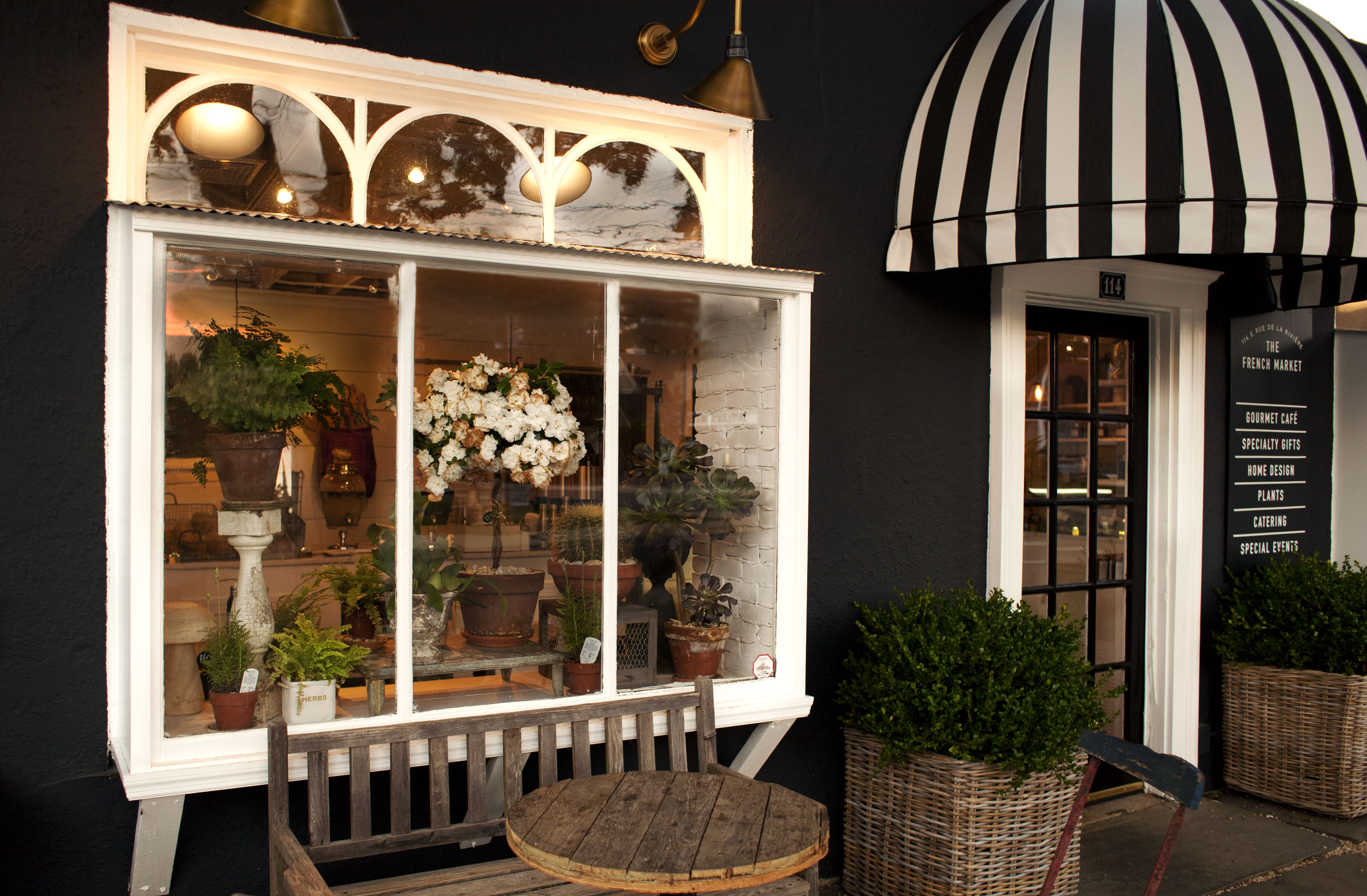
In terms of how France remade itself and if they can achieve maximum "national aesthetics" status, I believe that France had already achieved maximum status since King Louis XIV became ruler. The reason why I believe this way is because King Louis XIV was a "'grand monarch'... [who wanted] to be surrounded by a luxury and magnificence that should represent new standards of artistic achievement and technical skill" (Usher 238). Not to say that the King was vain, but he had a massive vision that succeeded, and spread across nationwide. The factors that allowed France to remake itself focused on food, fashion, and a pleasure for leisure. These factors are what we see in touristy areas that are highly dense and popular, which is why the Americas and other countries adopt the aesthetic of French culture. For my nation/state/area, I am still not sure of what I want to focus on but I believe that food and leisurely activities that people do for fun would definitely help many countries out. For example, we know that Hawaii is known for anything "ahi ahi" and "poke", while Japan is known for sushi and ramen noodles, and much more. Cuisine is an important factor for national aesthetics, but it is not the main thing that should be focused on for a lot of other places.

Sources: 
Usher, Abbott Payson. Colbert and Governmental Control of Industry in Seventeenth Century France. Harvard Economic Society, 1934.


source: https://itsdroolworthy.com/wp-content/uploads/2015/09/IMG_9182_1.jpg
Question: Are there places where only cuisine is their national aesthetic?

Week 3 Nancy Bui

France has undergone a lot to rebrand itself to what we know as it is today. Today, France is acknowledged as high fashion, exquisite food, beautiful sights, and a tourist must see. But there was multiple components that deeply influenced these ideals. During the reign Louis XIV, they made decisions that would set the foundation of these ideals and images for the next hundreds of years. As denoted by the author, “the nation’s image is the product of the shared socio psychological makeup of a people.” The first decision came this a strict decision to “set new standards for food, fashion, interior decoration, and standards.” As these standards were highly set, differing slogans came to accompany it and build its repertoire, such as “travel to Paris was guaranteed to add a touch of magic to every life” denoted by respected literary. This introduction of slogans lead into their game changing strategy, marketing. Marketing became most effective when discussion the explosion of selling and promoting high selling fashion. France was able to birth the notion of “fashion season” which is still used today. Continuing in the process, was the perfecting of aesthetic appeal. Focusing on the image itself is vital in the process of re branding, and Louis XIV took huge measures and allotted a majority of his time to ensure it was aesthetically pleasing and appealing. The last major factor was this notion of being “less dependent on imports.” This decision marked the categorization of France as a producer nation rather than a consumer nation.  With this decision, France focused entirely on exporting as much as possible whilst keeping imports low as possible. This allowed for a richer economy whilst out competing other countries at the time such as Holland. In the Colbert article, different initiatives such as the general industrial program and authoritarian ideal worked on strengthening the foundation and less attention of possibilities. It focused on investing in it’s own people, which eventually added to the idea of “less dependency on imports.” France’s re branding was possible through marketing, strategic allocation of resources, and investment in its’ people.  

These strategies could definitely be proven effectively when thinking of my country/nation of choice because they have been proven to work in multiple countries that have re branded successfully such as Japan and South Korea. Through the integration of active participation from the government and it's people, successful re branding is possible.


Week 3 Bin Xiao

Remaking a Nation
France is considered as one of the most significant states in the world regarding culture and history. It has also been one of the many countries that have played a vital role in international affairs. In fact, this nation provides an economic, linguistic, and geographic link that joins northern and southern Europe. It is a world's leading industrialized power and the most significant agricultural producer. Being one of the oldest states in the world, France made alliances with many different nations such as Dutch in the middle ages. Despite being such a great nation, there was a time when a lot was needed to restructure and remake the country.

Image 1: The above photo shows the process of remaking of France.
Source: Google Images.
In the 17th century, France, under the leadership of Colbert, was able to start its remaking. Primarily, this was made possible because Colbert was able to adopt new policies that resonated with the majority of the citizens. Notably, most of his reforms were mainly liberal. He gave room for policymakers to make genuine reforms, which were acceptable and had the interest of the general public (Usher, 2015). The reorganization that took place in his administration led to the destruction of the old-fashioned primitive rights and privileges.  It is worth mentioning that during those days, France was beginning to feel the pressure of competition from other countries such as Holland and England since they were fast advancing in technology. The new strategies that were adopted under his leadership helped propel the nation even further ahead of the competing nations.
Economically, during that era, some changes constituted a threat to the continued progress of France. The reason for this was that the country did not exploit clear factor at the time. For instance, it was a society that did not embrace investment. Families only depended on their salaries earned from offices. They held too much importance to their salaries and their continued stay at their places of work. In other words, most of the citizens held on to their office jobs without any growth just because it gave them a sense of security. The business world was viewed merely as a means to gain social security and thus was not expanding fast enough to foster a spirit of adventure or inspire hope (DeJean, 2005). However, during the remaking period the government, under the rule of Colbert, encouraged and supported citizens who were willing to invest in the country genuinely. Since then, till to date, France has one of the biggest economy in the globe.
The primary factor that France has used to remake itself is heavily encouraging citizens to invest in businesses and industries rather than just settling for the secure office jobs. It was a strategy that opened up peoples mind to broader things such as fashion, manufacturing among other business creations. For instance, most of the third world nations could embrace the same factor and encourage more people to be job creators by establishing private-owned companies, which is a remarkable head start to an effective remaking. For example, if citizens in Nigeria were encouraged to create opportunities, it would impact greatly on the county's economy.
However, a question arises, is encouraging the people to invest in businesses be a sole way to remake a nation?
Culturally, France has a record of the most elegant culture in the modern day. It is hard not to notice that the most refined wines taken during special occasions come from France. In addition to that, most of the best fashion designers will have their designs having a French label. The reason for this is that French designs are embraced and accepted more all around the world. Moreover, many individuals want to learn French as their second language. Looking at the tourism in the country, most people in the world aspire to visit France even if ones in a lifetime.  Such an occurrence is not a mere coincidence. It is pushed and encouraged by the fact that the nation is great.
To conclude this discussion, remaking a nation needs planning. It must be done uplift the living condition of the people and to propel them to better political, economic, and cultural levels. France, for example, was remade during the reign of Colbert. Before then, it was a dormant country that was economically stagnant. Due to competition from countries such as Holland and England, there was a need to strategically work around their economy and encourage people to invest more rather than comfortably depending on salaried jobs. France at that time grew not only economically but also culturally strong and has continued to be one of the leading states in the world.


References
DeJean, J. (2005). The essence of style: How the French invented high fashion, fine food, chic cafes, style, sophisticated, and glamour. Free Press: New York.
Usher, P. (2015). Colbert and government control of industry in seventeenth-century France. http://www.jstor.org/stable/1927041